 {{notif.ago}}


.png)




{{post.p_details.text}}
Sponsored · Ad served via Bigstartups Grow
{{ getArticlePackageHeading(article.package_id) }}
{{ getArticlePackageMessage(article.package_id) }}
{{ getUpgradeMessage(article.package_id) }}
Upgrade Now
Navigating the Digital Landscape: SEO Strategies for Startup Success
{{post.p_details.text}}
In the dynamic world of digital marketing, Search Engine Optimization (SEO) stands as a linchpin for startups seeking to establish a robust online presence. This multifaceted strategy involves optimizing various aspects of a website to enhance its visibility on search engines. For young entrepreneurs, understanding and implementing effective SEO techniques can be the key to unlocking a world of opportunities in the competitive digital landscape.
The Essence of SEO for Startups:
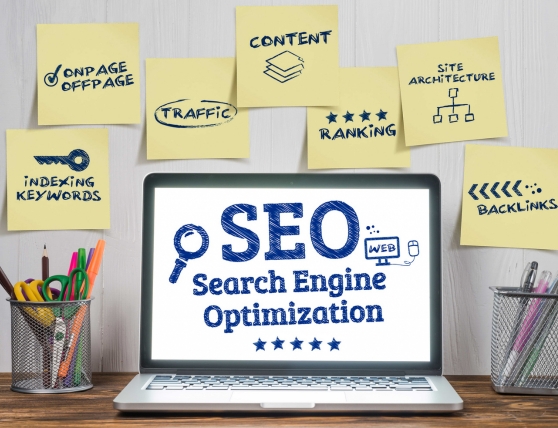
Search Engine Optimization (SEO) is a multifaceted digital marketing strategy aimed at enhancing a website's visibility and ranking on search engine results pages (SERPs). It involves a range of techniques and practices that collectively improve a website's chances of being discovered by users searching for relevant content, products, or services.
The Significance of SEO for Startups:
Visibility and Discoverability:
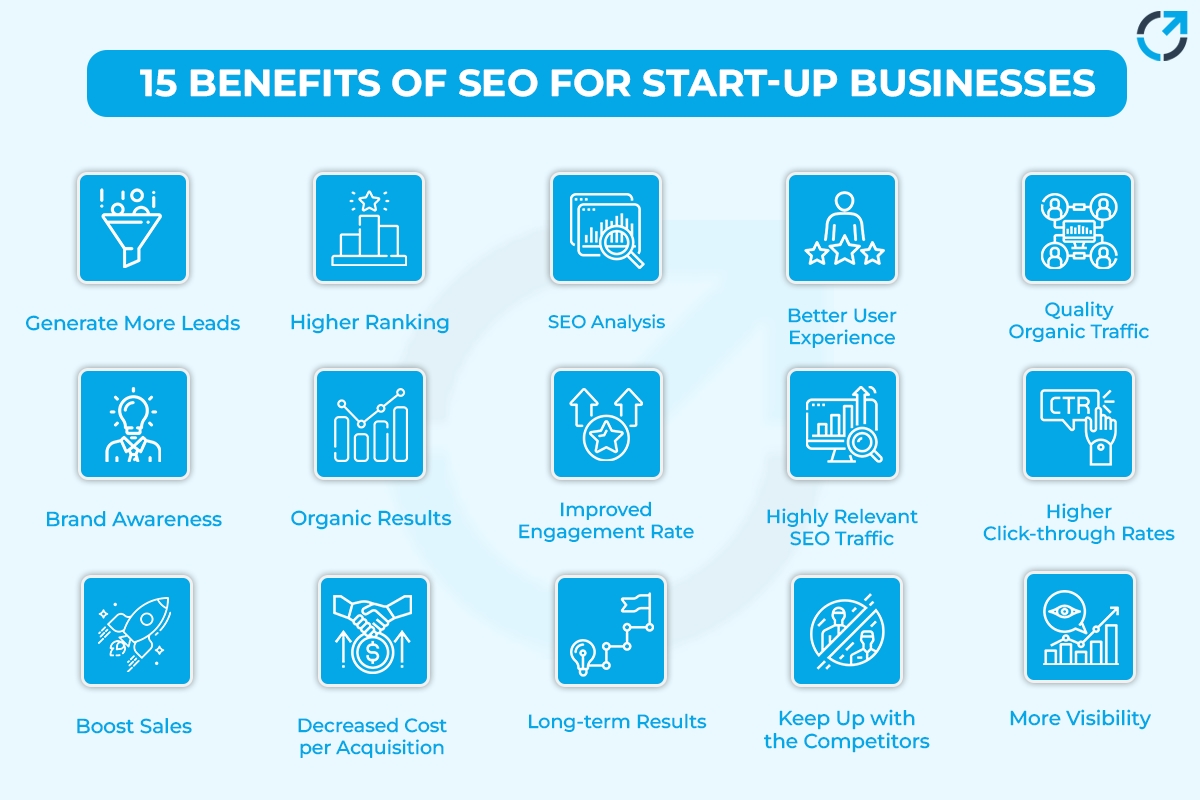
SEO ensures that your startup is easily discoverable by potential customers when they search for products or services related to your niche. This visibility can lead to increased traffic and potential conversions.
Credibility and Trustworthiness:
High search engine rankings signal to users that your startup is a reputable and trustworthy source. This can instill confidence in potential customers and lead to higher conversion rates.
Cost-Effectiveness:
Compared to paid advertising, SEO provides a cost-effective way to attract organic traffic. Once optimized, your website can continue to rank well without incurring additional advertising costs.
User Experience Enhancement:
SEO involves optimizing the website's structure, content, and navigation, which leads to an improved user experience. This, in turn, reduces bounce rates and encourages user engagement.
Competitive Edge:
In a crowded digital landscape, startups that invest in SEO gain a competitive advantage. By outranking competitors in search results, your startup can capture a larger share of the market.
Adaptability and Longevity:
Unlike short-term marketing campaigns, SEO strategies have long-lasting effects. Once implemented, they continue to generate organic traffic and leads, providing a sustainable growth avenue for startups.
Insights and Analytics:
SEO tools provide valuable data on user behavior, keyword performance, and website traffic. These insights can be leveraged to refine strategies and tailor content to meet the needs of your target audience.
source: searchonic
Types of SEO and Strategies:
Imagine the internet as a colossal library, with billions of books (web pages) on its shelves. Now, when someone enters a query (search term) into a search engine like Google, the engine sifts through this vast library to provide the most relevant books (web pages) matching the query. This is where SEO comes into play. It's like crafting your book to be not only informative but also easy to find in this immense library.
On-Page Optimization:
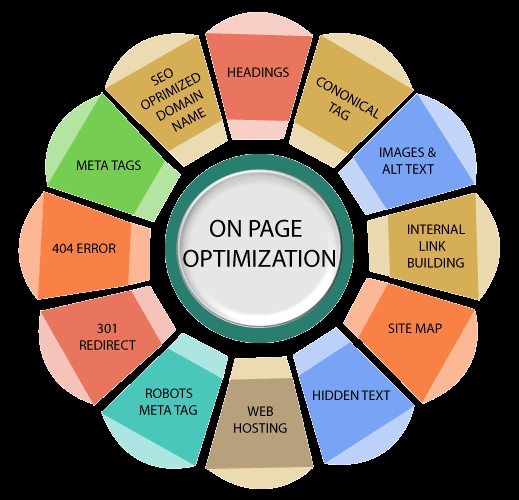
On-page SEO revolves around optimizing elements within your website itself. This includes crafting high-quality, relevant content with strategically placed keywords, ensuring clean and descriptive URLs, and optimizing images for quick loading times.
Example: Let's say you run a fitness blog. Performing on-page SEO would involve creating in-depth articles on topics like "Effective Cardio Workouts" or "Balanced Diet Plans" with well-researched content, supplemented with images and videos. You'd ensure that each article has a clear, concise URL like "yourfitnessblog.com/effective-cardio-workouts".
source: javapoint
Off-Page Optimization:
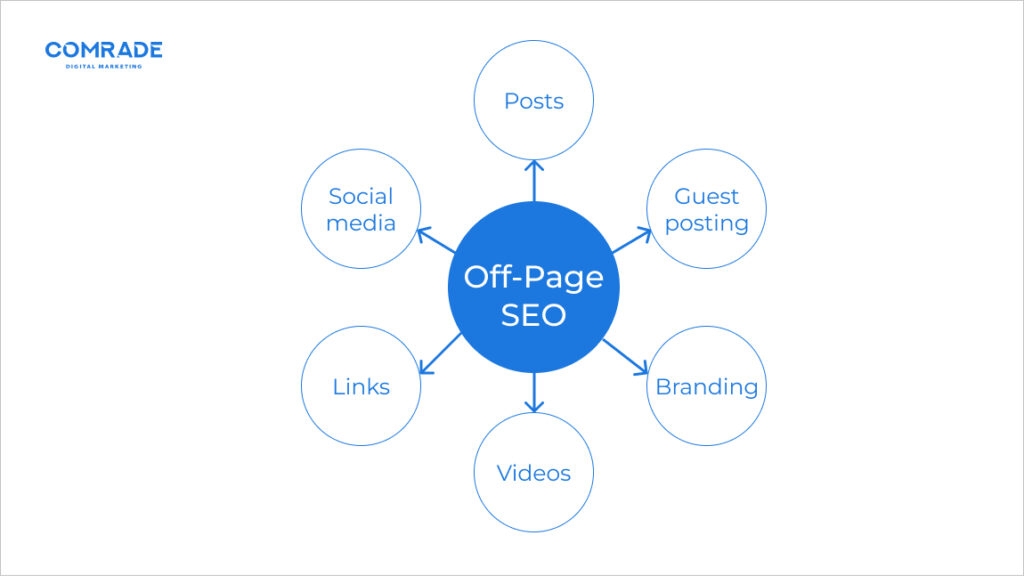
Off-page SEO extends beyond your website and encompasses strategies to enhance its credibility and authority in the eyes of search engines. This primarily involves acquiring high-quality backlinks from reputable sources, social media marketing, and guest blogging.
Example: Consider a startup that offers eco-friendly home products. Off-page SEO efforts would involve reaching out to reputable eco-conscious blogs or websites for collaborations. This could lead to features, backlinks, or guest posts about your startup and its sustainable products.
Local SEO:
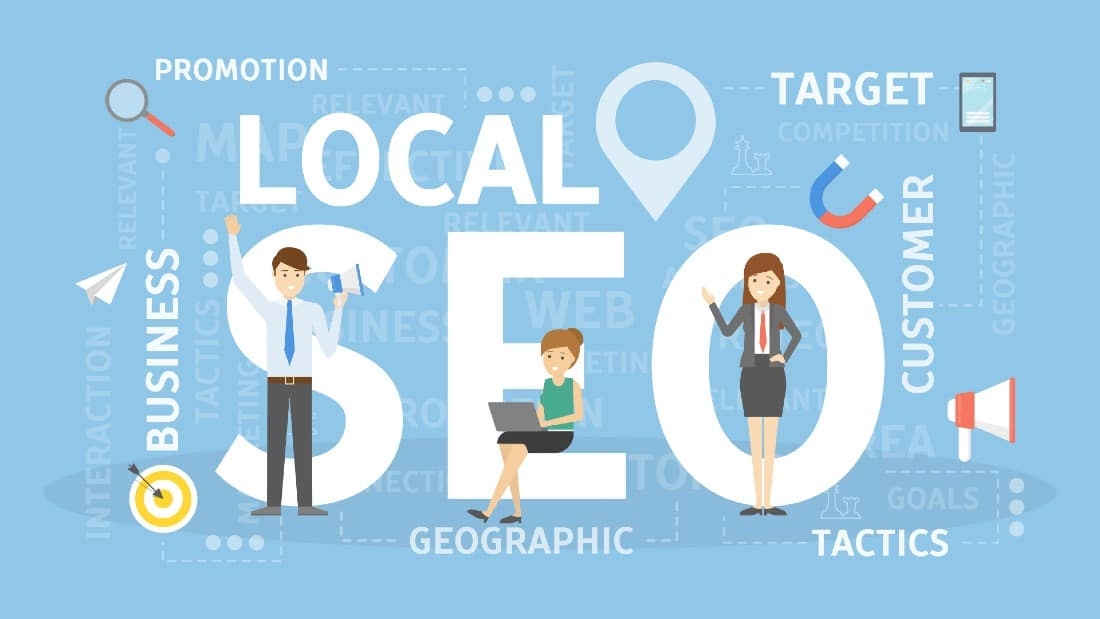
Local SEO is crucial for startups targeting a specific geographic area. It involves optimizing for location-based keywords, creating a Google My Business profile, and garnering positive local reviews.
Example: Local SEO is a strategy that helps businesses appear in local search results. For example, a flower shop called "The Blossom Boutique" in Springfield uses local SEO techniques like optimizing their Google My Business profile, using localized keywords, getting customer reviews, and creating location-specific content. These efforts ensure that when people in Springfield search for flowers, The Blossom Boutique shows up, driving more local customers to their shop.
source: infront webworks
Example: The Healthy Recipe Blog
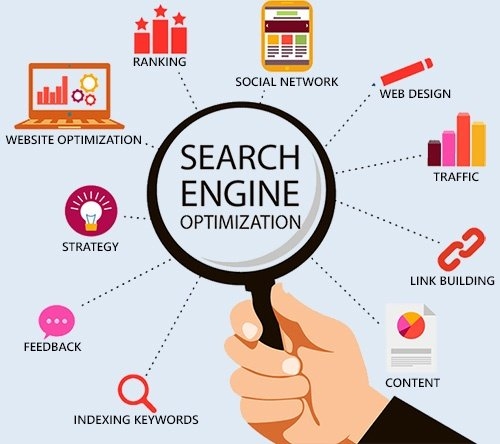
Imagine a blog that shares nutritious recipes and wellness tips. To attract more visitors, the blog owner employs SEO techniques:
Keyword Research:
- They conduct research to find popular keywords related to healthy recipes, such as "low-calorie breakfast ideas" and "nutritious dinner recipes."
Optimizing Titles and Headings:
- They use the chosen keywords in article titles and headings. For instance, an article might be titled "10 Low-Calorie Breakfast Ideas for a Healthy Start."
Quality Content:
- They ensure the content is informative, well-written, and provides value to the reader. This encourages longer page visits, which search engines appreciate.
Image Optimization:
- They use descriptive alt tags for images, like "nutritious-smoothie-recipe.jpg," to improve accessibility and keyword relevance.
Internal Linking:
- They link related articles within their blog posts. For example, in an article about smoothie recipes, they might link to another post about healthy snack ideas.
External Linking:
- They include reputable sources or studies to support their information. This adds credibility to their content.
Site Speed and Mobile Optimization:
- They ensure the website loads quickly and is mobile-friendly. Both factors are considered in search engine rankings.
Social Media Integration:
- They share their blog posts on social media platforms, which not only increases visibility but also drives traffic back to their website.
Regular Updates:
- They consistently publish new content to keep their website fresh and engaging for both readers and search engines.
As a result of these SEO efforts, the Healthy Recipe Blog's articles start appearing higher in search engine results when people look for topics related to healthy recipes. This leads to increased organic traffic, more engaged readers, and potentially higher revenue through ad revenue or product sales.
source: quora
Conclusion
In today's digital landscape, SEO is the cornerstone of a successful online presence. It's the compass that guides users to your content, products, or services amidst the vast sea of information on the internet. By understanding and implementing effective SEO strategies, you not only improve your visibility but also create meaningful connections with your target audience.
Call to Action: Embrace the Power of SEO
For aspiring entrepreneurs and established businesses alike, embracing SEO is the key to unlocking untapped potential. Dive into keyword research, optimize your content, and create a seamless user experience. Invest in the growth of your online presence, and watch as your visibility soars, driving increased traffic and meaningful interactions. Don't wait - start your SEO journey today and pave the way for lasting digital success!
{{post.actCounts.r_count}}
Reaction
Reactions
{{post.actCounts.c_count}}
Comment
Comments
{{post.actCounts.s_count}}
Share
Shares
Insights
{{comment.cm_u_name}}
Cancel
Edit
Delete
{{comment.actCounts.r_count}}
Reaction
Reactions
{{comment.actCounts.c_count}}
Reply
Replies
 {{rtypes[comment.reaction.reaction_type].reaction_name}}
 Like
Like
 {{rtype.reaction_name}}
 Reply
Reply
{{subComment.cm_u_name}}
Cancel
Edit
Delete
{{subComment.actCounts.r_count}}
Reaction
Reactions
{{subComment.actCounts.c_count}}
Reply
Replies
 {{rtypes[subComment.reaction.reaction_type].reaction_name}}
Like
{{rtype.reaction_name}}
Reply
{{rtypes[subComment.reaction.reaction_type].reaction_name}}
Like
{{rtype.reaction_name}}
Reply
See Older Replies
Loading Comments
No More Replies
See Older Comments
Loading Comments
No More Comments
Sponsored · Ad served via Bigstartups Grow
Sponsored · Ad served via Bigstartups Grow
List of issues.


